
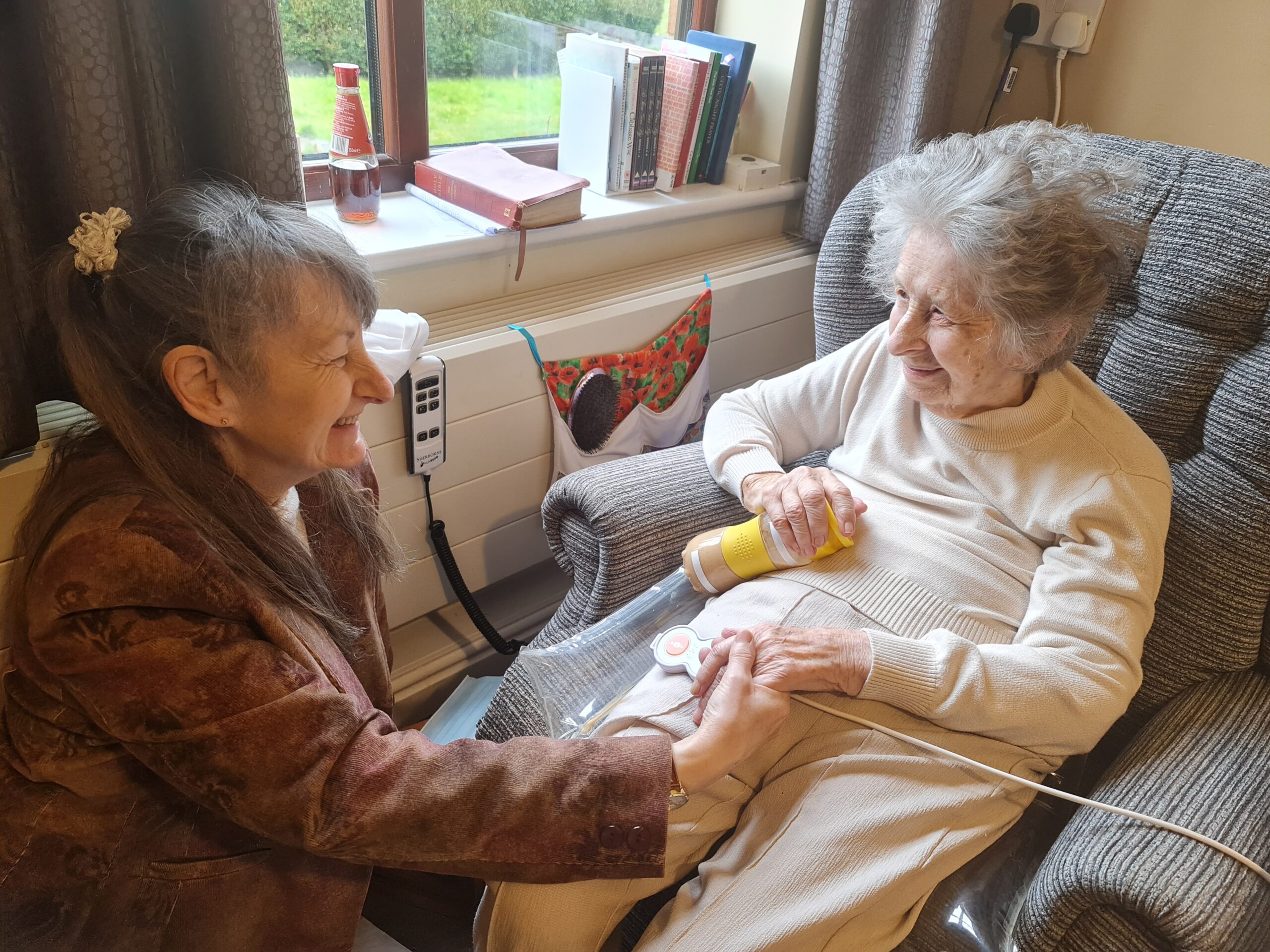
Listen… do you want to know a secret…?
Well, it’s not actually a secret, but it is something we seem to have forgotten, in this world of smart phones and AI… It’s this – in order to really connect with someone, we first need to be able to listen. Really listen, I mean – listen as though they are the most important person to us in that moment (which they are).
Connection is not just a ‘nice-to-have’ thing, it’s a biological imperative for us – we need it. We tend to think of loneliness as occurring when there’s nobody else around, but these days we can find it everywhere – it’s insidious. The mother who sits at the table with her family, all of whom are on their phones… the couple on the sofa, one of whom is watching the television whilst the other is scrolling on Facebook… the student on the bus, reduced to conversing with ChatGPT because there is nobody else who is wanting to be present in that moment…
But loneliness can kill. Maybe not directly, but certainly loneliness has been linked to higher risks of heart disease, stroke, weakened immune function, high blood pressure, obesity, and dementia; persistent loneliness increases the likelihood of depression, anxiety, and even suicidal thoughts.
So learning to listen can be a lifesaver… Listening is a skill we all possess; it is a natural, innate ability. However, as we grow and develop, we learn different, adapted ways of listening, which require effort:
- We learn to listen in order to respond – we are waiting for the other person to finish talking so we can speak.
- We learn to listen merely in order to validate what the other person is saying.
- We learn to listen in order to negate what the other person is saying – to make them wrong, so that we can be right.
- We also listen to ourselves in order to make moralistic judgements of whether we are “right” or “wrong”.
Empathic listening is an active, immediate, and continuous process of attention to the feelings and needs of the other person. Being empathetic reflects an attitude of profound interest and sensitive immersion in their world of meanings, feelings and needs; we are joining them in their model of the world.
‘Awareness is the primary foundation of all communication’, says Oren Jay Sofer. Without awareness, we might be thinking of something else or distracted in some way… Trying to talk with someone who is looking at their phone or watching TV can be a prime example of this!
So the next time you are with someone, try really listening to them, with your full presence… As Carl Rogers said, “When I have been listened to, and when I have been heard, I am able to reperceive my world in a new way and to go on. It is astonishing how elements that seem insoluble become soluble when someone listens; how confusions that seem irremediable turn into relatively clear flowing streams when one is heard.” You never know how much difference that will make.
